**While the majority of the manga included in this article are shoujo, I opted to include some other demographics in the beginner category. These stories will still be ones I recommend, and I have personally enjoyed all of them.**
When it comes to learning a new language, one factor that has great influence on how much you will retain, is interest. While studying through textbooks will absolutely help you to acquire a lot of the necessary grammar, it isn’t always the most effective way to learn new vocabulary.
I’m of the opinion that the more interested you are in a certain subject, the more likely you are to retain it. While textbooks surely are helpful, they’re not always all that interesting. So, to supplement them, I think it’s very important to find study materials that interest you.
There is no one “best” study method, rather, I think learners should try around a variety of materials to see which ones stick best.
Why Do I Recommend Studying With Manga?
Personally, I think manga makes for a wonderful study resource. Manga comes in every single genre you can think of, ranges from light to dark topics, and has suitable stories for all ages. There are also manga at various difficulty levels, so no matter where you are in your language learning journey, there will always be a manga that can help you study.
Many people also choose to study with materials that better suit their interests such as: magazines, video games, and children’s picture books. While all are fantastic resources, I feel like they’re more constricted than manga are. Magazines only come in so many topics, video games tend to be better suited towards advanced learners, and children’s picture books are more suited towards beginners.
What Manga Do I Recommend?
I am going to split this up into three categories: beginner, intermediate, and advanced. I will categorize them as such:
Beginner series:
- Offers furigana.
- Minimal kanji usage, simpler sentences.
- Vocabulary is beginner friendly, not niche to a particular subject.
Intermediate series:
- Offers furigana.
- More complex sentences compared to beginner series.
- Vocabulary is mostly slice of life, but may contain some more niche vocabulary.
Advanced series:
- May not offer furigana.
- May have keigo.
- Vocabulary may be highly tailored to a certain topic: fantasy, sci-fi, etc.
Beginner series
Chi’s Sweet Home

- Slice of life, seinen series.
- There is furigana.
- Most sentences are easy to follow, and are highly complimented by the imagery.
Gekkan Shoujo Nozaki-kun

- Slice of life, high school romance.
- There is furigana.
- This series is broken up into very digestible “chunks”, allowing readers ample context to enjoy every story.
Intermediate series
Love, That’s an Understatement

- Slice of life, high school romance.
- There is furigana.
- Some slang usage, typically slice of vocabulary.
- You can check out my full review of the first volume here.
Fall in Love You False Angels
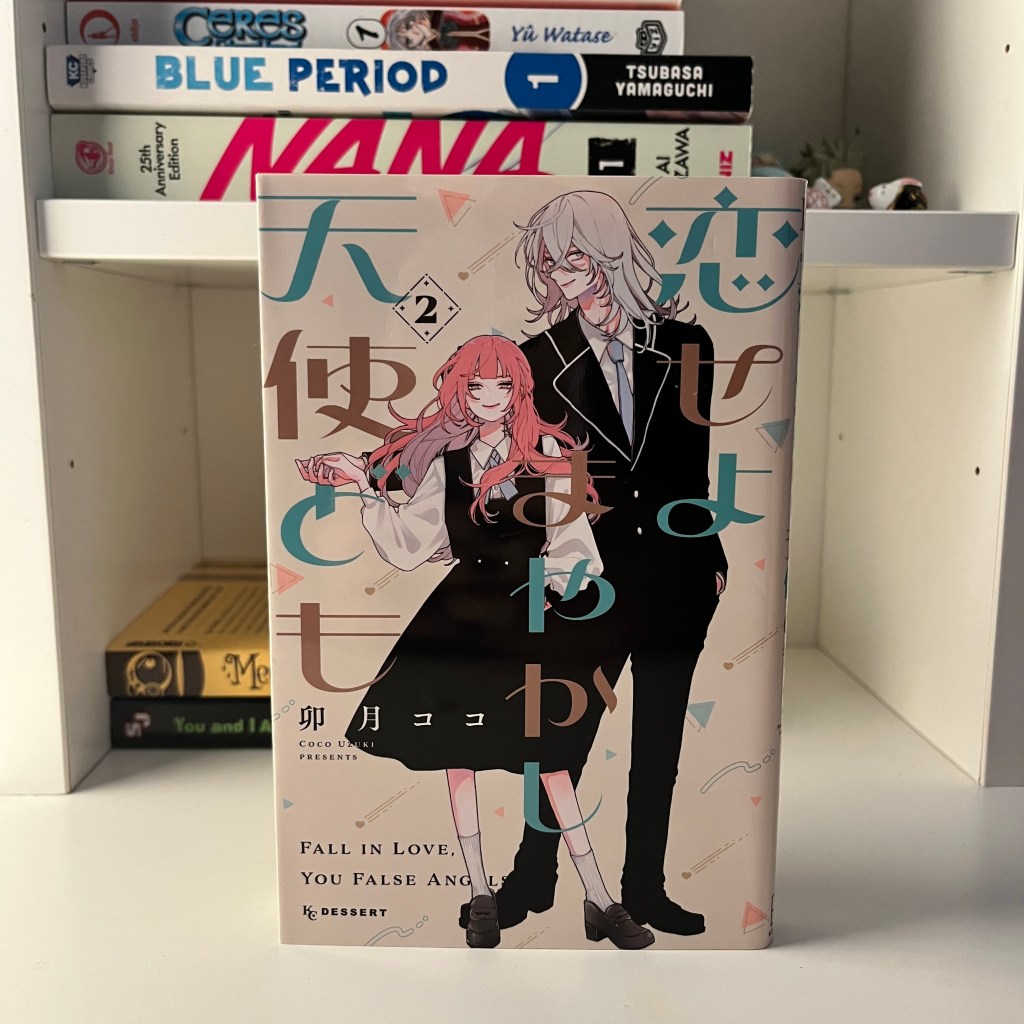
- Slice of life, high school romance.
- There is furigana.
- Some slang and keigo usage, typically slice of vocabulary.
- You can check out my full review of the first volume here.
Glasses With a Chance of Delinquent
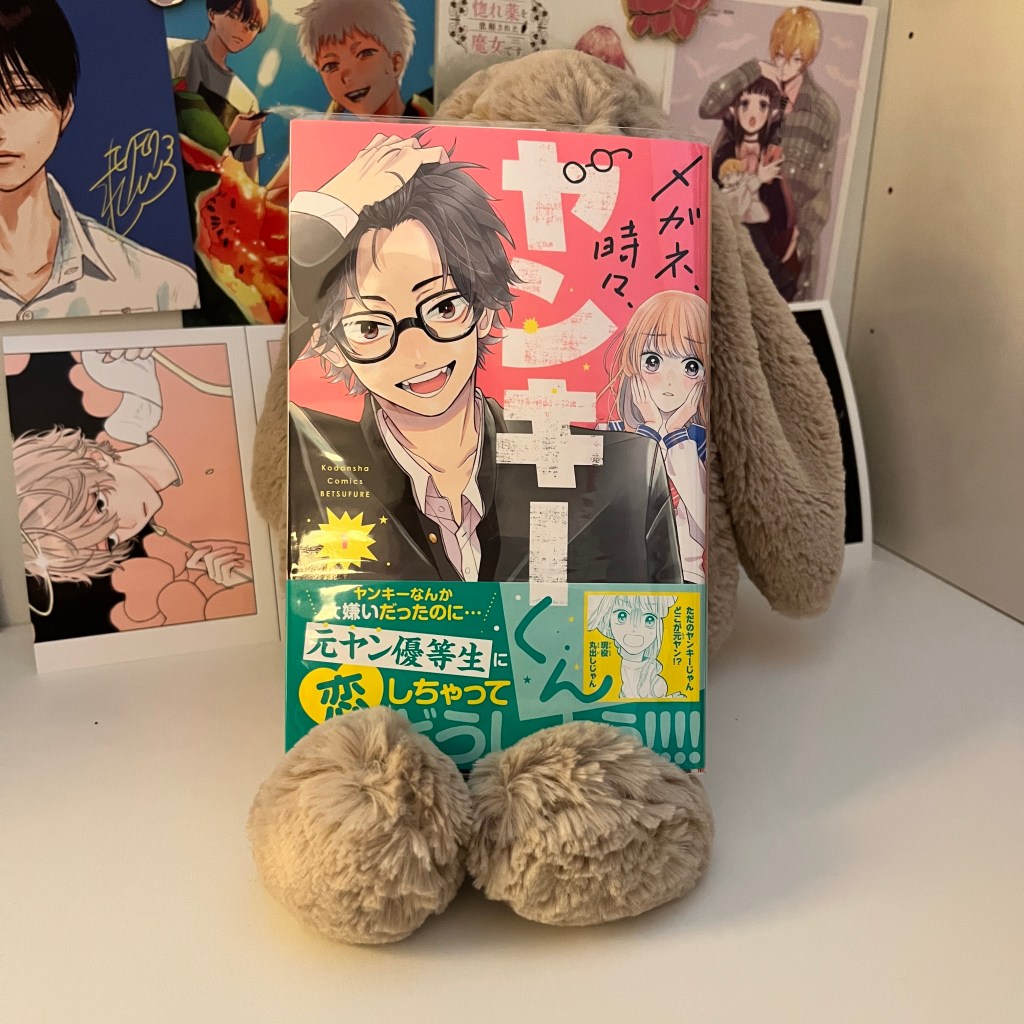
- Slice of life, high school romance.
- There is furigana.
- Some slang usage, typically slice of vocabulary. This has less slang usage than the previous two series.
- You can check out my full review of the first volume here.
Pink and Habanero

- Slice of life, high school romance.
- There is furigana.
- Some slang usage, typically slice of vocabulary.
- You can check out my full review of the first volume here.
Advanced series
Nokemono Koigatari – Mareketsu no Musume to Ayakashi Kitsune

- Historical, fantasy romance.
- There is minimal furigana.
- A lot of technical terminology about mythical creatures, and armies.
- You can check out my full review of volume one here.
Gin no Mugibatake
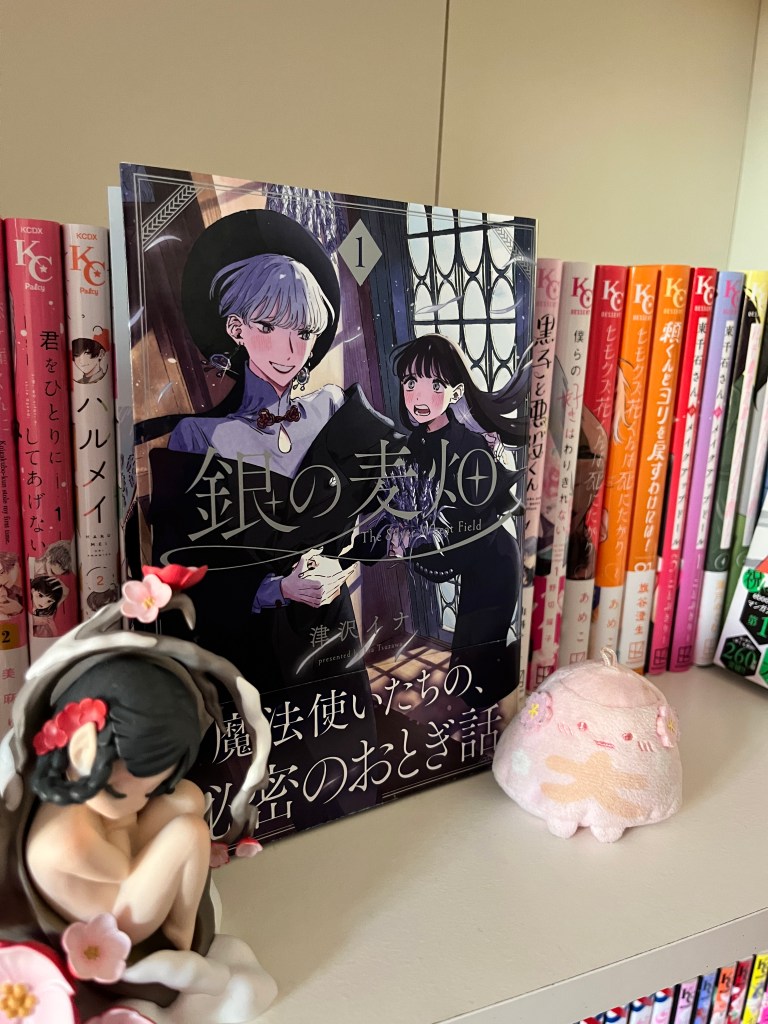
- Fantasy, adventure series.
- There is furigana.
- Some technical terminology about witches and magic.
- You can read my full review of volume one here.
Yuureijou no Danna-sama

- Fantasy, romance series.
- There is furigana.
- Technical terminology about ghosts and magic. Some keigo usage.
- You can check out my full review of volume one here.
The Failure at God School

- Fantasy, adventure series.
- There is furigana.
- A lot of fantasy and physics related vocabulary.
- You can check out my full review of volume one here.


 Maddies Manga
Leave a reply to Maddiekkuma Cancel reply