TL;DR
The phrase “ocha no ko saisai” is a Japanese proverb used to mean “a piece of cake”.
Just like we have many proverbs and saying in English, there are many proverbs to be found in Japanese. Today I am going to intoduce a phrase one of my favourite university professors used almost daily.
I have gotten made fun of by close friends more than once for using this phrase (apperently it’s a little bit old fashioned?), but that doesn’t stop me from using it! Similarly, I’ve been called a grandma for calling my friend a peach, so maybe I’m just drawn to slightly older ways of talking, who knows.
If you are commited to studying a foreign language, study resources are very important! I share my preferred study resources in this post.
Meaning
The meaning of the phrase is very simple: a piece of cake ・a piece of pie・as easy as pie
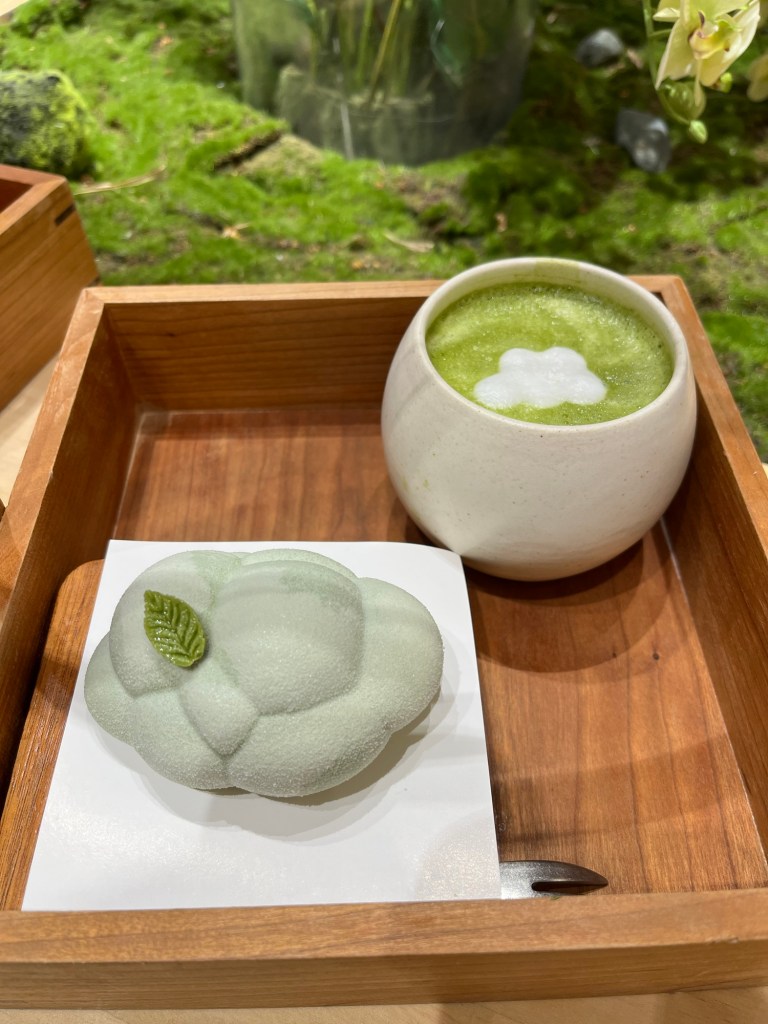
The full phrase is:
おちゃ の こ さいさい
ocha no ko saisai
To start, I am going to first break the phrase down into smaller parts so it’s easier to understand.
- Ocha
- Similarly to the Hindi word chai, and the Mandarin word cha, you may already know that the Japanese word ocha means “tea”.
- Ko
- On its own, the Japanese word ko typically means “child”, but in this specific phrase, ocha no ko is used to mean お茶請け(ochauke), or in English, a simple snack that is served with tea.
- Saisai
- Saisai is actually what we call a 囃子言葉 (hayashi kotoba), a word that is typically only used in songs, and doesn’t hold meaning. Similarly to the English “lala” or “hey!” that often appear in music, but not so much in everyday language. These 囃子言葉 are typically written in hiragana, so there is no Kanji assigned to saisai.
Putting it all together, ocha no ko saisai is used to mean “its as simple as eating a snack!”. While more literally it may mean “a simple snack, hey!”, not all sayings can be taken literally, right?
Where did it originate?
The term saisai originated from the lyrics of a folk song, “nonko saisai”, that originated in Nagasaki, Japan. In the Nagasaki dialect, nonko can mean “a cute kid”.
Language examples
One phrase my professor really liked to use was:
勉強すれば、おちゃのこさいさいですよ。
benkyou sureba, ocha no ko saisai desuyo.
Meaning: if you study, it’ll be a piece of cake / you won’t have any difficulties.
Another example is:
毎朝5キロ走ります。このぐらいの散歩はおちゃのこさいさいです。
maiasa gokiru hashirimasu. kono gurai no sanpo wa ocha no ko saisai desu.
Meaning: I run 5km every morning. A walk like this is a piece of cake.
Do you know any Japanese proverbs?


 Maddies Manga
Leave a reply to Useful Japanese study resources – CanadianAuJapan Cancel reply