Shoujo manga wasn’t always as widely available as it is today! As a means of sharing my appreciation for the genre, I wanted to take a little look at the history behind it.
Rather read about what “shoujo” means? Take a look at my blog post here! More interested in what manga i’ve been reading recently? Take a look at my most recent manga recap here!
The 1950’s, the slow birth of shoujo manga
Shoujo manga first started to gain traction in the 1950’s. Prior to this, while there were manga targeted towards young women, they were 4-panel manga without any storyline. There are two shoujo manga written in this time period that paved the way for future developments in the genre:
Princess Knight

The very first shoujo manga ever written was titled “Princess Knight”. This manga was groundbreaking at the time, featuring a princess who went on adventures, fighting with a sword while dressed as a man.
At a time where women in Japan were pushed into becoming good housewives and mothers, this story of a heroine literally cutting her own path with her sword was very inspiring to Japanese women.
This manga was written by Osamu Tezuka, who’s name you may recognize as the creator of Astro Boy.
Harp of the Stars
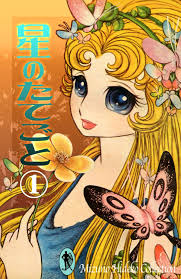
The very first shoujo manga ever written by a woman, was Harp of the Stars. It was first published in 1960.
This was also the first shoujo manga ever written that featured romance between a man and a woman. It’s often said that Harp of the Stars paved the way for future romance manga for many years.
Harp of the Stars was written by Mizuno Hideko, who would go on to create several other beloved series.
Not just shoujo manga, in 1955, two shoujo manga magazines that we still know and love today were born: Nakayoshi and Ribon. Though there were some kinks to work out (there weren’t nearly as many manga that could be included in a shoujo manga magazine as there are nowadays), by 1958 these magazines began featuring only manga targeted towards girls, as they still are today.
The 1960’s, where shoujo manga started gaining popularity
In the 1960’s, the world saw the first boom of young women aspiring to become shoujo manga authors (mangaka). Perhaps because of the growing number of women mangaka, or perhaps due to the slow growing popularity of the genre, shoujo mangaka was becoming an attractive career.
Fire!
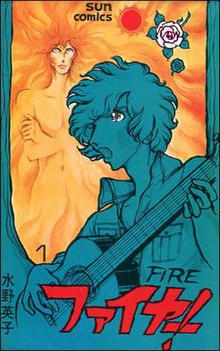
Fire!, written by Harp of the Stars’ author Mizuno Hideko, was first published in 1969. This manga was the first shoujo manga to feature a male protagonist, and was widely beloved by female audiences for depicting complex characters with a unique storyline.
The women who began working as mangaka during this time period were praised as risk takers and innovators of the genre. They took tropes and trends that had only existed in boys manga at the time, and creatively expanded upon them.
The revolutionary 1970’s
The Year 24 Group
In the 1970’s there was a wave of incredible women shoujo mangaka. This group of women, titled the “Year 24 group”, can be largely credited to the shoujo manga that we enjoy today.
“Year 24 Group” refers to the 24th year of Showa, or 1949. All of the women in this group were born around 1949.
This group, first consisting of only 2-3 women, were given absolute creative freedom – something almost unheard of at the time. Rather than writing to please a specific target audience, these artists were told to write whatever they themselves would enjoy.
Thanks to this freedom, shoujo manga was able to explore depths before unheard of. Stories with themes and genres once thought to only be enjoyed by men, were now being used in shoujo manga.
This Year 24 Group grew to 10 members in total, each creating manga that inspired their audiences.
This manga revolution expanded the genres seen in shoujo manga, from fantasy to science fiction. Nothing was off the table.
The mangaka gaining popularity at the time often found inspiration from French media, which can be seen in the manga “The Rose of Versailles”.
Inspiring Women
During this time in shoujo manga history, many stories featuring introspective characters emerged. These stories tried to break through the boundaries that caged women at the time, and tried to inspire its readers.
There were also many more male protagonists born in the 1970’s, with the men being clearly written through a female lens. They were often depicted quite beautifully, and their stories were never before seen in manga targeted towards men. This is also when BL (Boys Love) manga began gaining more traction.
While the Year 24 Group focused on creating shoujo manga with storylines that often questioned society, this was just one of many growing subculture of manga. one other quickly growing subculture that was quickly gaining popularity was titled “otome chic“, and was targeted towards young women who just wanted to enjoy a simple love story. Those who found the themes of Year 24 Groups’ manga to be a little too complex often found themselves enjoying otome chic manga.
New manga magazines
Due to the rapidly growing popularity of shoujo manga, the number of manga magazines algo began to grow.
In the 1970’s, we saw the birth of Hana to Yume, Lala, June, and Mimi. At this time, there was a group of shoujo manga that dominated over all others, titled “the big three”. This grouping consisted of: Chao, Nakayoshi, and Ribon.
And that was a little glimpse into the history of shoujo manga! Let me know if you are interested in learning more!
If you are curious about my sources, you can check them out for yourself (though they are in Japanese) here, and here!
Interested in learning more about manga magazines? I go through a volume of Nakayoshi in this blog post!


 Maddies Manga
Leave a comment